DIGITIZING.USDigitizing โ€ข Vector โ€ข Artwork
USABADGE.COM โ†—Woven & Embroidered Patches
๐Ÿ“ž 401-655-1153โœ‰๏ธ mail@digitizing.usClaim 50% Off โ€” Free Signup50% Off โ€” Sign Up
โ† All posts๐Ÿงข Caps & Hats

How do you get 3D puff embroidery right?

SaachiยทJan 30, 2026ยท8 min read
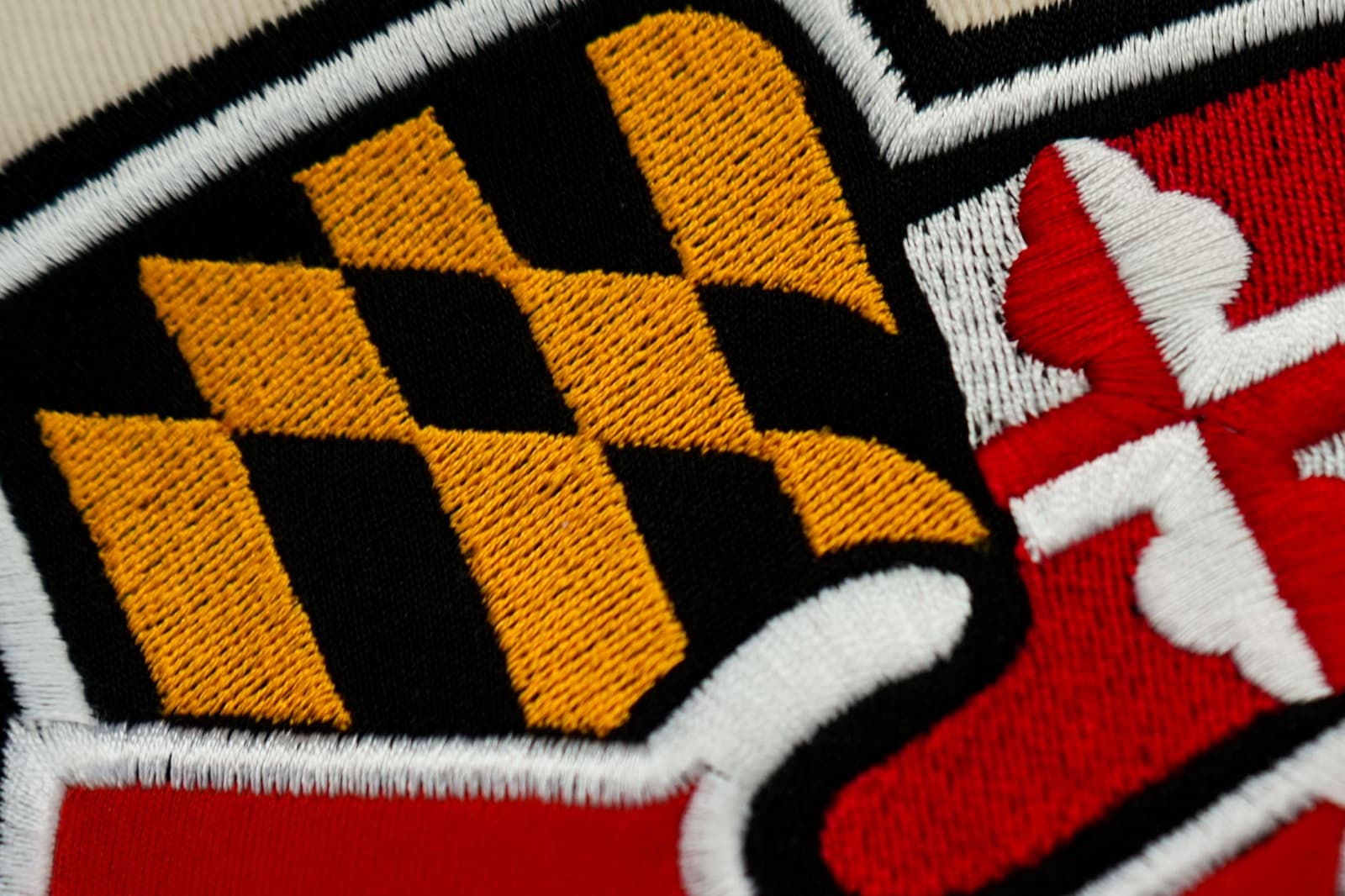
Macro close-up of 3D puff embroidery showing dense satin stitches built up over foam underlay, with the raised dimensional effect clearly visible
Short answer

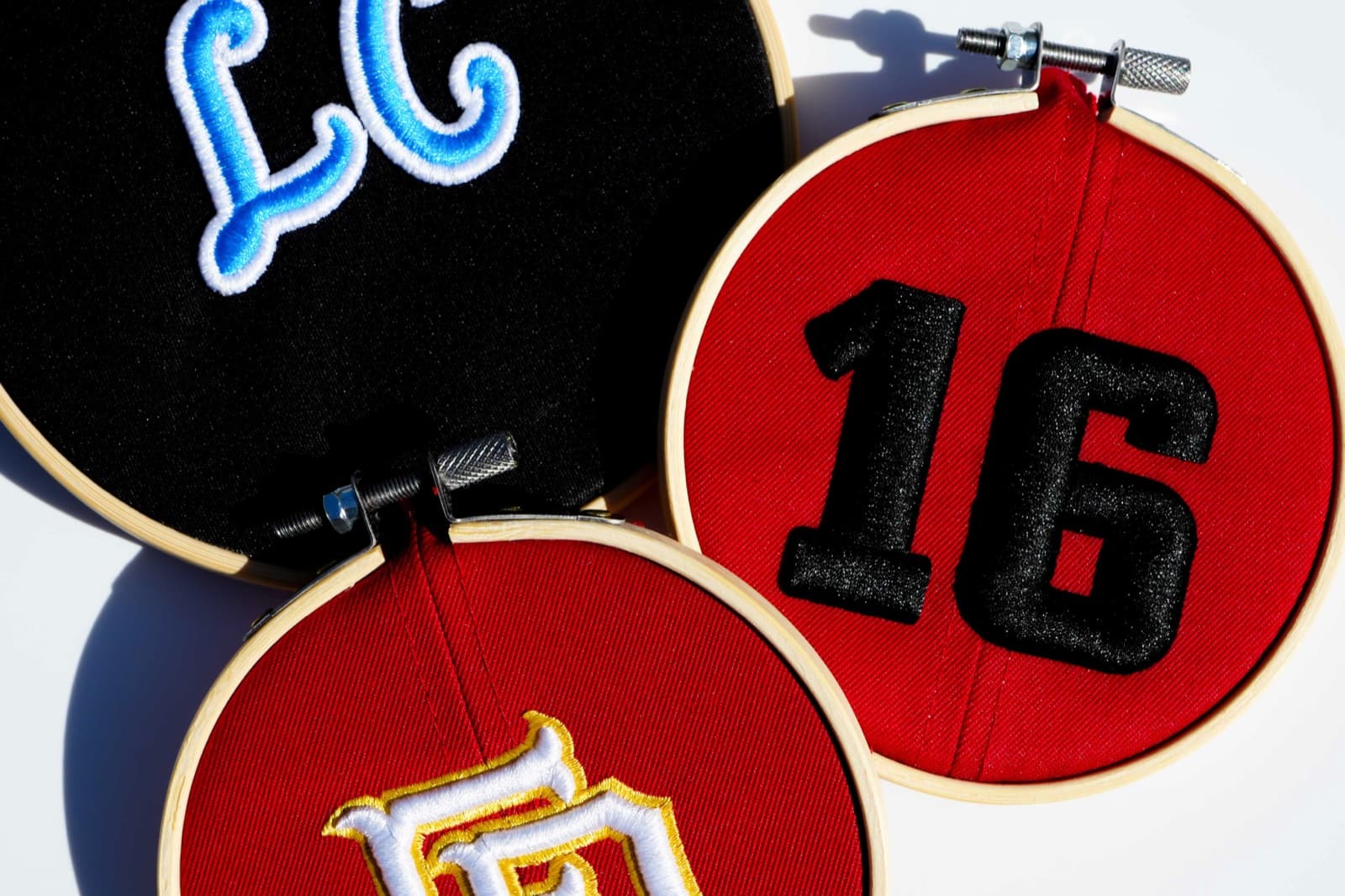
3D puff creates a raised, dimensional effect by stitching over foam placed on top of the garment. Done right, it looks premium and survives washing; done wrong, the foam collapses and the stitches pull through. Bold, simple designs work; fine detail and small text do not.

3D puff embroidery creates a raised, dimensional effect by stitching over foam placed on top of the garment. Done right, it looks premium and holds up to washing. Done wrong, the foam collapses, the stitches pull through, and the design looks worse than flat embroidery would have.

The first thing to understand is that not every design works in puff. Bold, chunky letterforms and simple shapes translate beautifully. Fine detail, serifs, and small text do not โ€” the foam creates a wobble in the stitch line that makes thin elements look sloppy. If your logo has fine lines or small text, we'll tell you upfront and suggest what can be puffed vs. what should stay flat.

Foam thickness matters. Standard 3mm EVA foam works for most caps. For a more pronounced effect, 6mm is available, but it requires significantly higher stitch density to lock down the foam edges cleanly. We test both options when a design is borderline.

The digitizing approach for puff is completely different from flat embroidery. You need extra underlay, higher density in the coverage stitches, and a very precise satin border that cuts through the foam cleanly. Path order matters too โ€” you want to lock down the foam edges before stitching the fill, or the foam will shift during the run.

Machine speed is another variable. We recommend dropping to 600-700 SPM for puff runs, especially on older machines. Higher speeds increase vibration and can cause the foam to shift mid-run.

When you order puff from us, we test on actual foam on an actual cap blank. We adjust the density, check the foam cutoff, and send you a scanned sew-out proof. You'll know exactly what your customers are getting before you run a production batch.
Tags:#3d-puff#foam#caps#machine-speed#design-suitability#underlay#before-you-order
This may also help you

Curated next steps

โš ๏ธ Avoiding Costly Mistakes ยท Article
Why does cheap digitizing usually cost you more?
โ†’ Site page
Embroidery Digitizing Service
3D Puff is one of our digitizing capabilities โ€” see the proof shots.
โ†’ Site page
How We Test
Every puff design gets a foam-on-cap test stitch-out.
๐Ÿ“‹ Before You Order ยท Article
What's the difference between DST, PES, JEF, and 40+ other embroidery file formats?
People also read

Same topic, different angles

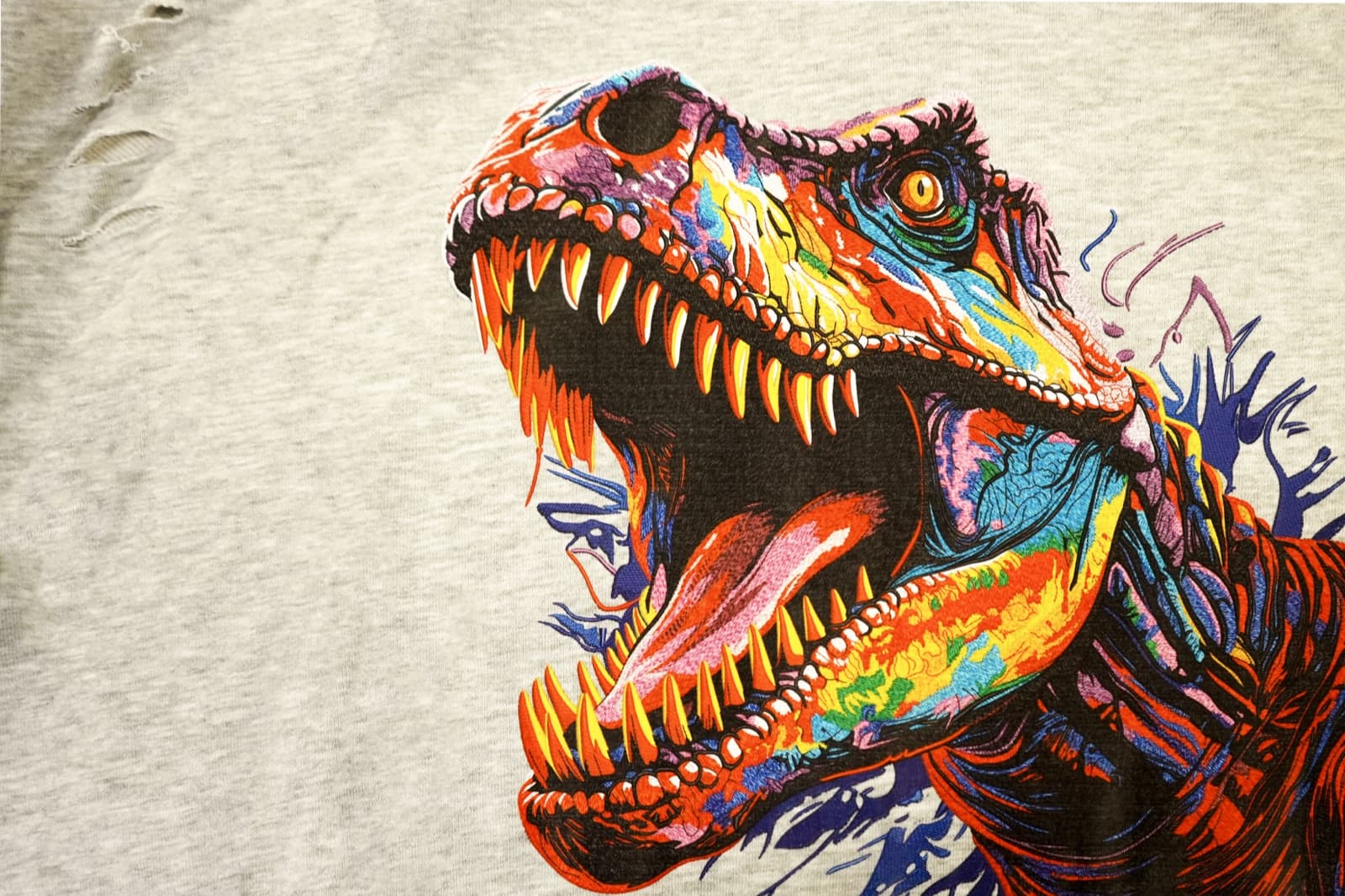
Full-colour DTG print of a roaring T-Rex with rainbow gradients on a heather-grey shirt โ€” illustrating the kind of artwork that prints well but embroidery can't reproduce
๐Ÿ“‹ Before You Order7 min read

Should you choose screen print or embroidery for your order?

For quantities under about 24 pieces, embroidery usually wins on total cost despite the one-time digitizing fee. For large runs of printed tees with photographic detail or many colours, screen print wins. Left chests on professional workwear almost always go embroidery, regardless of quantity.

SaachiDec 20, 2025
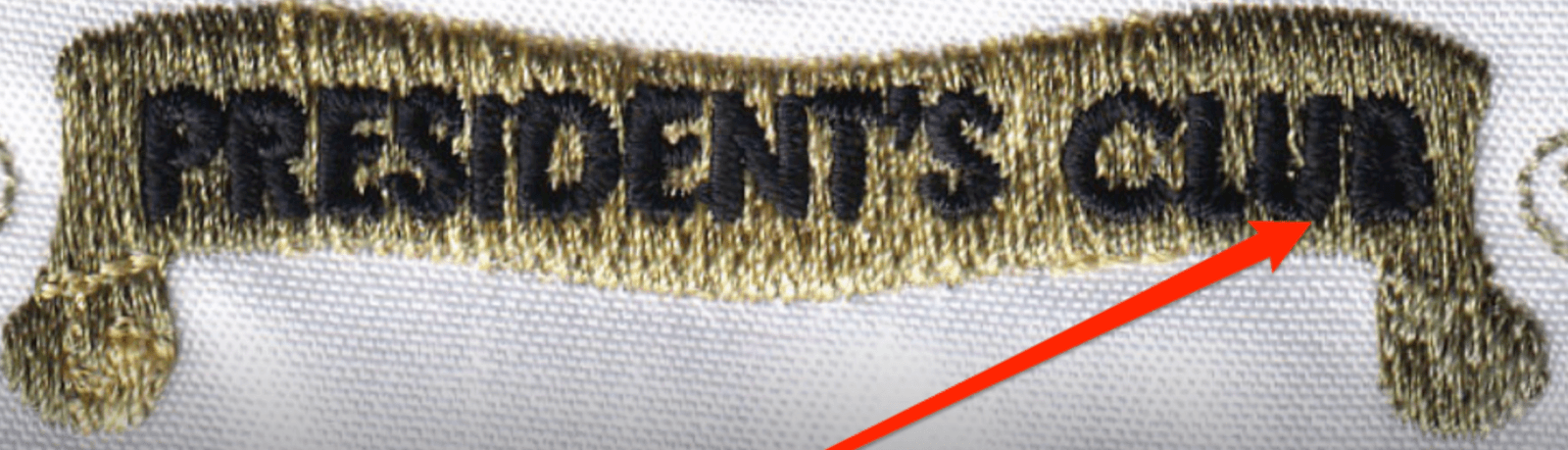
Small embroidered 'President's Club' text with the letters closed up โ€” the bowls filled with thread and the word reading as a smudge
๐Ÿ” Small Text & Detail5 min read

Why do small embroidery letters close up โ€” and why don't most digitizers catch it?

Small embroidery letters "close up" when the open spaces inside them fill with thread and the word turns into a dark blob. The catch: it usually looks fine on screen and only shows up once the design is actually stitched on fabric. A digitizer who never sews out a sample won't see it coming โ€” so it lands on your machine instead. Because we sample and sew-out designs, and have done hundreds of thousands of them, we catch it before it ever reaches you.

SaachiMay 31, 2026
Macro of dense, consistent fill-stitch embroidery on tan fabric, showing the kind of clean digitizing work that doesn't cause production problems
โš ๏ธ Avoiding Costly Mistakes5 min read

Why does cheap digitizing usually cost you more?

A discount $8 digitizing file often costs you 5ร— more in the end โ€” through thread breaks that eat machine time, ruined garments you have to replace, and rework that delays the order. We've seen the same pattern enough times to give it a name: the cheap file tax.

SaachiFeb 18, 2026