DIGITIZING.USDigitizing • Vector • Artwork
USABADGE.COM Woven & Embroidered Patches
📞 401-655-1153✉️ mail@digitizing.usClaim 50% Off — Free Signup50% Off — Sign Up
← All posts📋 Before You Order

Should you choose screen print or embroidery for your order?
Saachi·Dec 20, 2025·7 min read
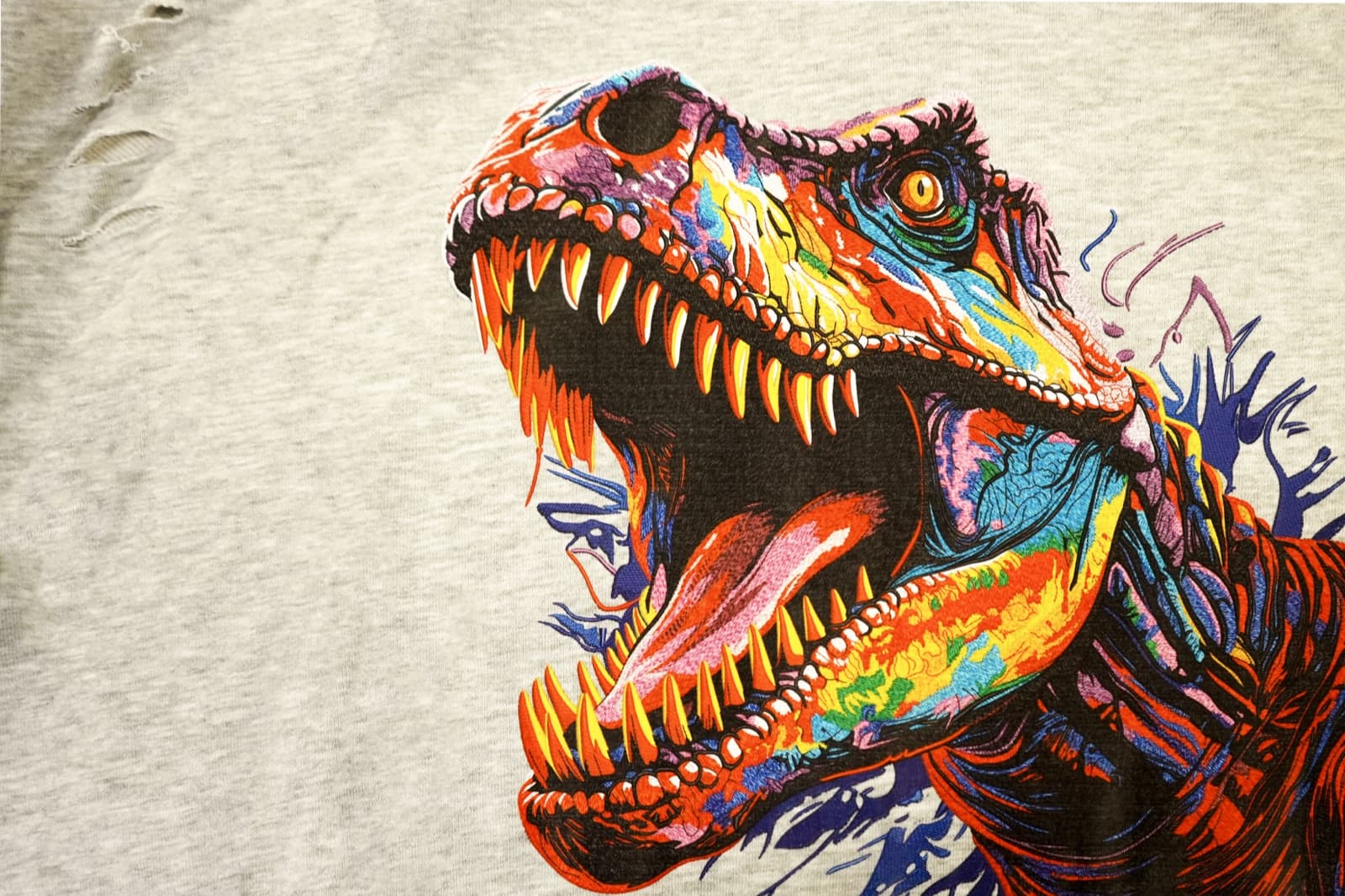
Full-colour DTG print of a roaring T-Rex with rainbow gradients on a heather-grey shirt — illustrating the kind of artwork that prints well but embroidery can't reproduce
Short answer

For quantities under about 24 pieces, embroidery usually wins on total cost despite the one-time digitizing fee. For large runs of printed tees with photographic detail or many colours, screen print wins. Left chests on professional workwear almost always go embroidery, regardless of quantity.

Screen printing and embroidery aren't competing — they serve different purposes. The right choice depends on your garment, your design, your quantity, and what your customer actually wants.

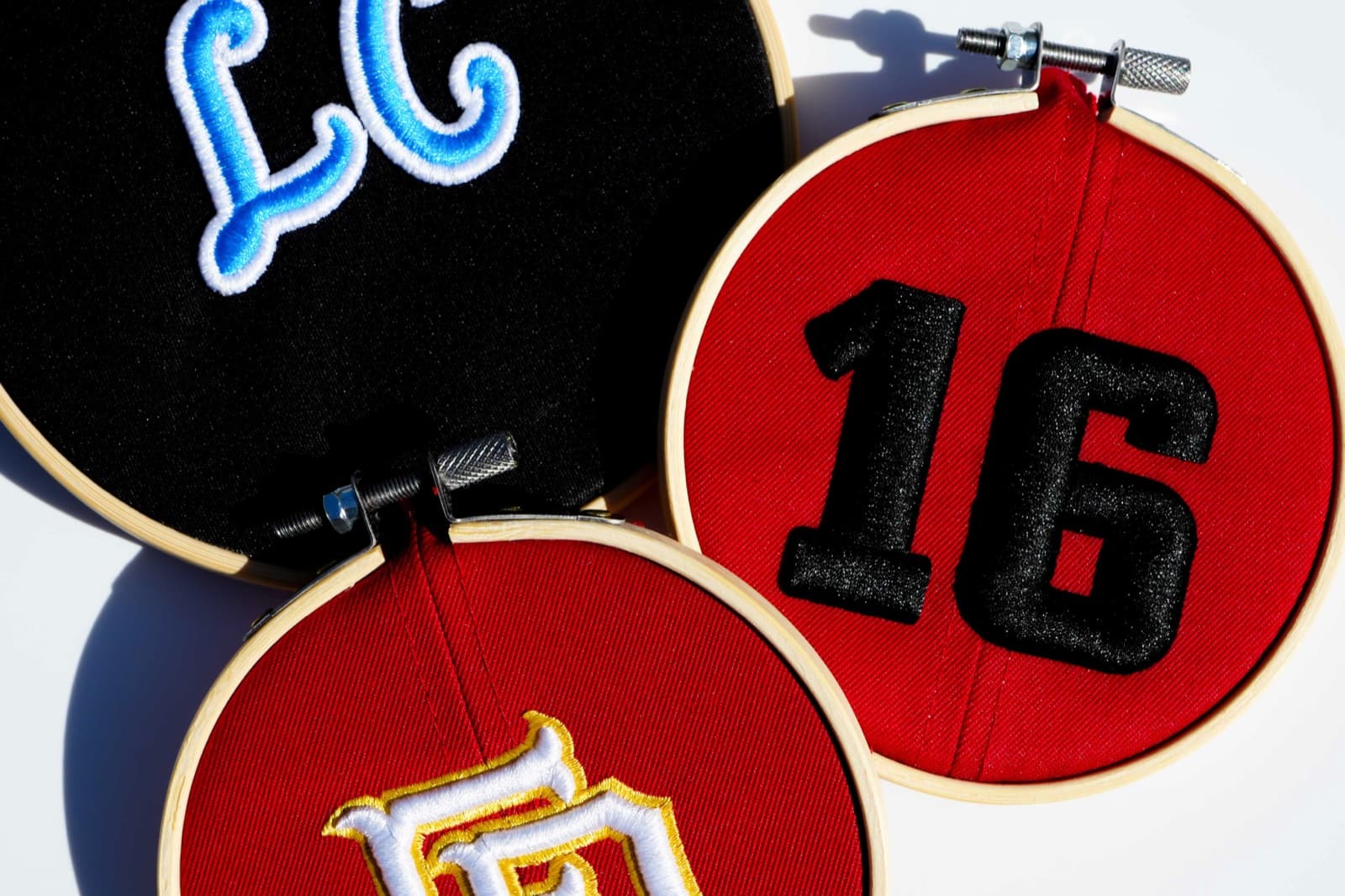
Embroidery adds a premium feel that screen print can't replicate. Thread has texture, depth, and a perceived quality that reads as 'professional' in a way that ink doesn't. Corporate clients, sports teams, and premium brands usually want embroidery for left chests and caps.

Screen print is better for large designs with fine detail, gradients, or lots of colors. Back designs with photographic elements or complex gradients are almost always better as screen print. Embroidery has physical limits — very fine lines get lost in thread texture, and true gradients aren't possible.

On pricing, the comparison isn't as simple as per-piece cost. Embroidery has a one-time digitizing fee (from $15), then a per-piece embroidery cost that's typically $3-8 depending on stitch count and location. Screen printing has higher setup costs (screen fees, $25-50 per color) but lower per-piece costs at volume.

For quantities under 24, embroidery often wins on total cost. For large runs of printed tees, screen print wins. For left chests on professional workwear, embroidery almost always wins regardless of quantity.

Our artwork team can prepare files for either output — separated screen print files or digitized embroidery, depending on what your production requires.
Tags:#screen-print#embroidery#decoration-method#decision-guide#pricing-comparison#dtg#before-you-order
This may also help you

Curated next steps

⚠️ Avoiding Costly Mistakes · Article
Why does cheap digitizing usually cost you more?
→ Site page
Vector Artwork Service
Production-ready artwork for screen print, DTF, vinyl, and more.
→ Site page
Custom Printed Patches
When the artwork is too detailed for thread — print it instead.
→ Site page
Custom Embroidered Patches
When you want that classic raised-thread look.
People also read

Same topic, different angles

Macro close-up of 3D puff embroidery showing dense satin stitches built up over foam underlay, with the raised dimensional effect clearly visible
🧢 Caps & Hats8 min read

How do you get 3D puff embroidery right?

3D puff creates a raised, dimensional effect by stitching over foam placed on top of the garment. Done right, it looks premium and survives washing; done wrong, the foam collapses and the stitches pull through. Bold, simple designs work; fine detail and small text do not.

SaachiJan 30, 2026
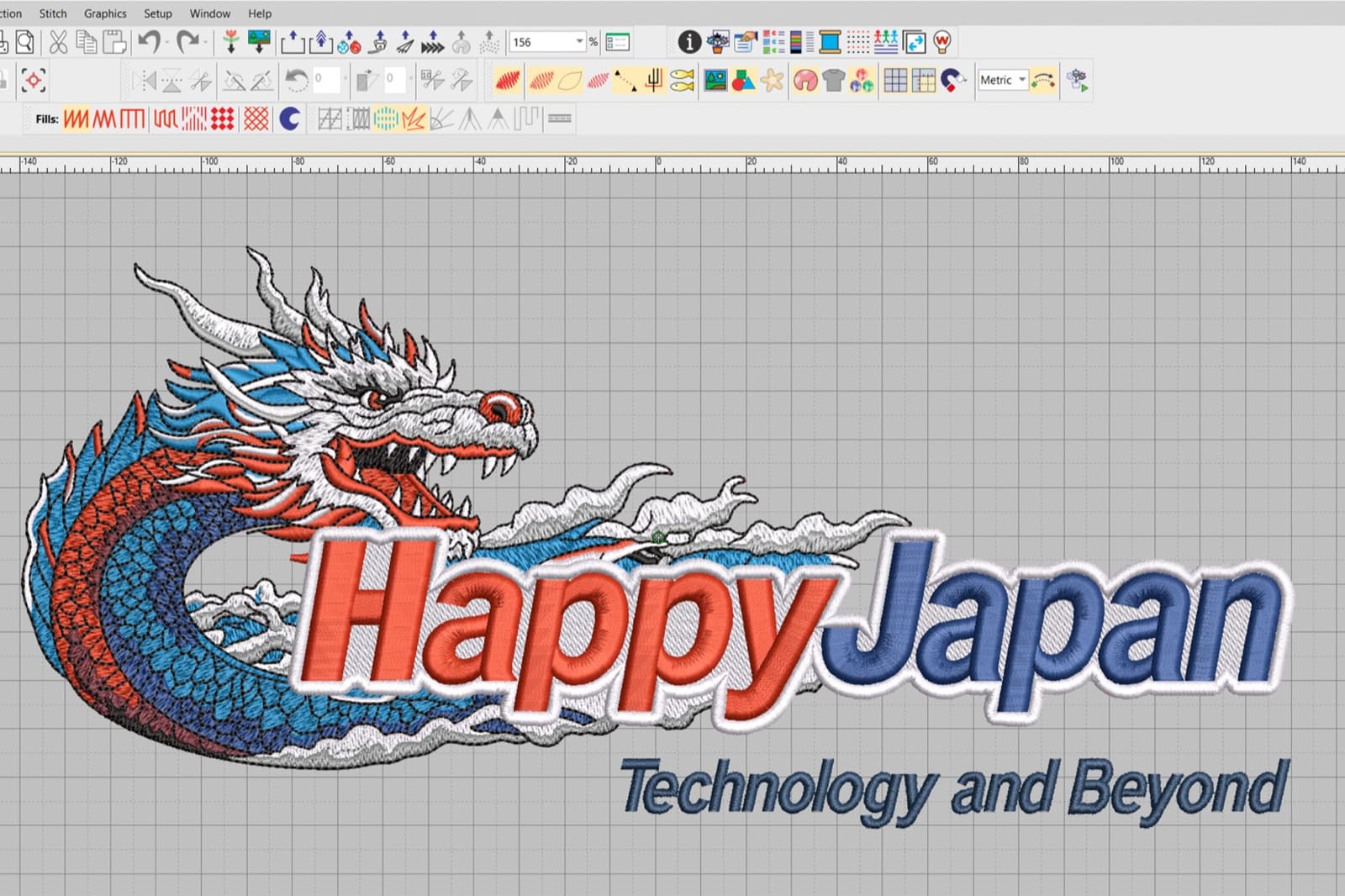
Screenshot of Wilcom-style digitizing software showing a dragon logo as colored stitch paths in the workspace — the kind of file view that gets exported into formats like DST or PES
📋 Before You Order6 min read

What's the difference between DST, PES, JEF, and 40+ other embroidery file formats?

DST is the closest thing embroidery has to a universal format — most commercial machines accept it. Brother machines need PES. Janome uses JEF; Husqvarna and Pfaff use VP3. The format itself does not affect stitch quality (digitizing does); but using the wrong one means your file simply won't load.

SaachiJan 12, 2026
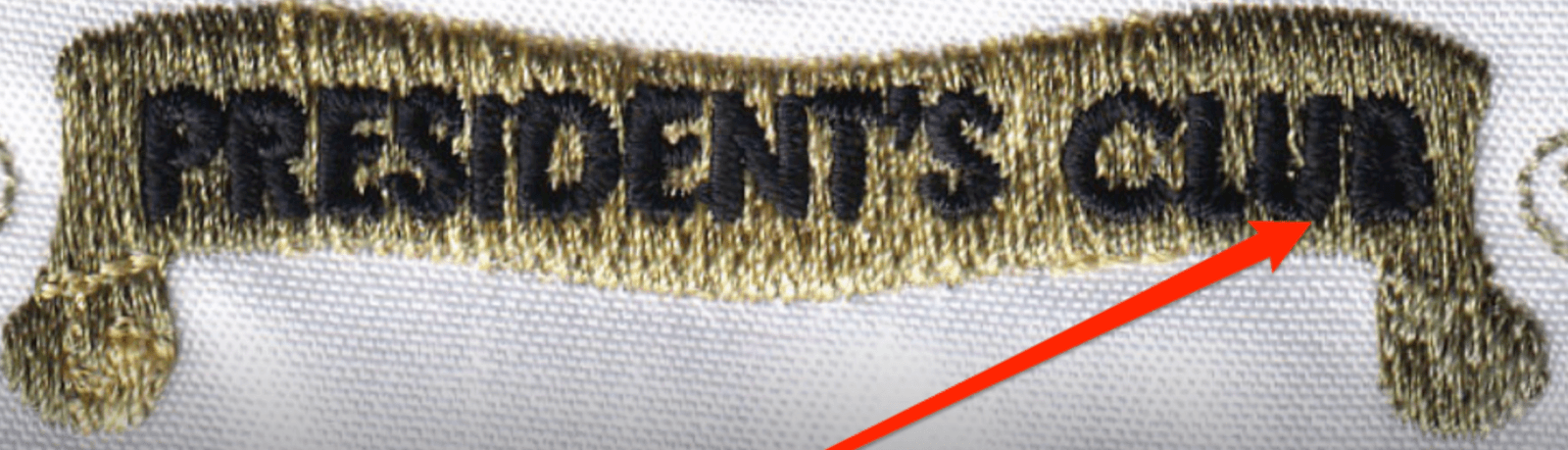
Small embroidered 'President's Club' text with the letters closed up — the bowls filled with thread and the word reading as a smudge
🔍 Small Text & Detail5 min read

Why do small embroidery letters close up — and why don't most digitizers catch it?

Small embroidery letters "close up" when the open spaces inside them fill with thread and the word turns into a dark blob. The catch: it usually looks fine on screen and only shows up once the design is actually stitched on fabric. A digitizer who never sews out a sample won't see it coming — so it lands on your machine instead. Because we sample and sew-out designs, and have done hundreds of thousands of them, we catch it before it ever reaches you.

SaachiMay 31, 2026